DRAFTS
Drafts & Keepers
We count this board pick by pick, so what follows is arithmetic from the file rather than an estimate.
Last reviewed
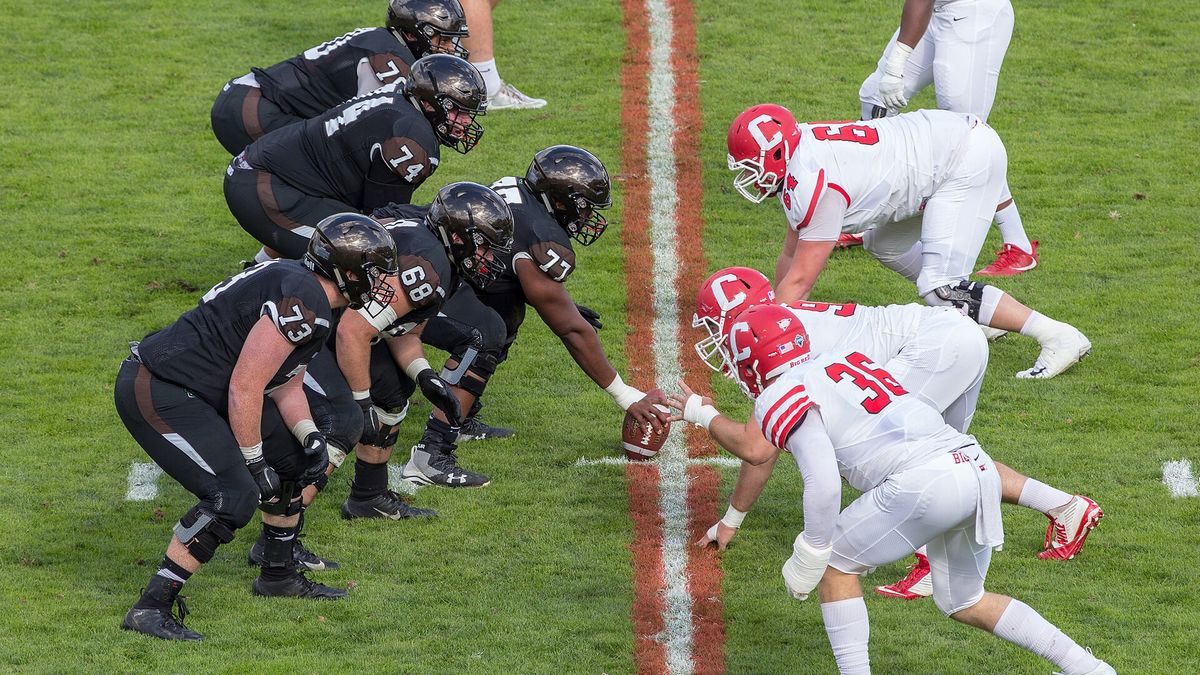
Photo: Kenneth C. Zirkel, CC BY-SA 4.0 · source file

Fifty rounds is a different exercise from fifteen. A draft that has to fill 49 slots across three sports is not a ranking problem; it is a scheduling problem, and the managers who treat it as one tend to finish higher.
This section covers board construction, when to take a sport early, what the supplemental pick is worth and how keeper decisions change the shape of a draft before it starts. The keeper rule is the one that bends everything else: the first year a player is kept, his cost is the round he was taken in minus two rounds; the second year, another four rounds come off; there is no third year. A player kept twice therefore arrives six rounds cheaper than he was bought, and the rounds that disappear have to come from somewhere.
The board on this site is the evidence. Of 700 picks on file, 350 were baseball, 182 football and 154 basketball — a split that follows the roster sizes rather than anybody’s preference. Read the first four rounds and the pattern is immediate: the sports are not drafted in blocks, and a manager who waits for a run to end usually pays for it two rounds later. The supplemental round, held each August by email, is the cheapest place to be right about a rookie and the most expensive place to be late.
The board, round by round
First four rounds. The full board is on the draft results page.
In this section
 5002Keeper Value: Why a Kept Player Costs Two RoundsWe price keepers in rounds, and the cost is easier to see once you write it as arithmetic.NFL
 −203The Supplemental Draft and What a Spot in It CostsWe hold one supplemental spot per team, and the board shows exactly what that spot is worth.1404Building a Draft Board When the Sports Do Not MatchWe build one board for three sports, and the hard part is comparing players who never meet.
 700
700