DRAFTSPublished 4 min read
The Supplemental Draft and What a Spot in It Costs
We hold one supplemental spot per team, and the board shows exactly what that spot is worth.
Last reviewed
Our league drafts 700 players each year. Baseball claims 350 of those slots, football 182, basketball 154. That leaves fourteen unaccounted for—one per team, the supplemental spots that sit empty on the board until August. Each looks like a free extra pick. The rules say otherwise. A supplemental selection carries a keeper cost that matches whatever round you burned to buy your place in its order, and that trade-off binds you months before you make the actual selection.

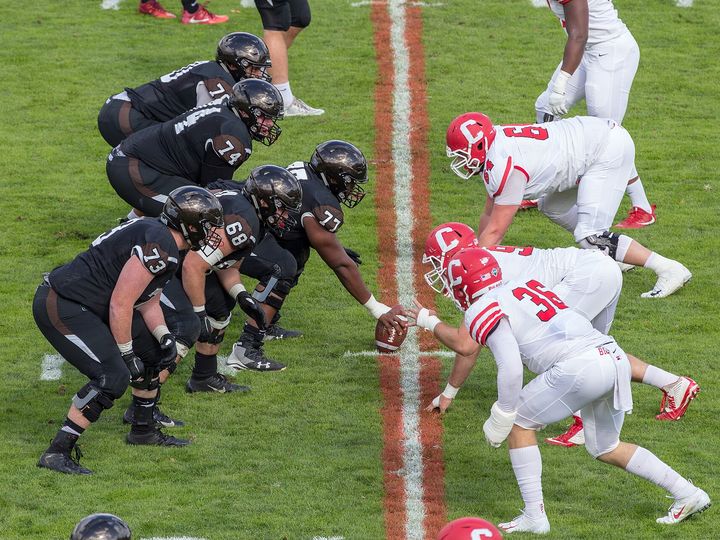
Photo: Heidy Garcia, CC BY 4.0 · source file

Where the supplemental spots sit in the 700
The roster arithmetic is blunt. Our rules state the count in one line: "TOTAL = 49 PLAYERS PER TEAM FOR ALL SPORTS AND 1 SUPPLEMENTAL DRAFT SPOT X 14 TEAMS = 700 PLAYERS DRAFTED FOR THE LEAGUE." The supplemental spots are baked into the total, not added on top. An owner finishes the main draft with 49 players across three sports and holds a reservation for the fourteenth pick that does not yet have a name attached. Our draft board shows all 700 slots filled or allocated, but fourteen of them are placeholders. The player arrives later.
This matters for how we count keeper rounds. Every owner protects a roster heading into the next draft, and every kept player costs a pick. The supplemental selection must be paid for like any other keeper—except its price was set in a different transaction entirely, one that happened during the main draft itself.
What the board drafts
Share of all 700 picks on the board by sport.
How the order is bought with a main-draft pick
The supplemental order does not use standings or lottery or last year's finish. Each owner selects his own spot. During the main draft, after filling his 49 roster slots, an owner uses one additional pick to claim his place in the August snake. A high pick here moves you to the front of that line. A low pick buries you.
The cost is the pick itself. Spend your 14th-round selection on supplemental position, and you have surrendered a 14th-round player. Spend your 40th, and you have surrendered a 40th-round player. Our rules treat this as a straight exchange: the pick is gone, the spot is held. What you get back depends on what you gave up. The 14th-round buyer and the 40th-round buyer hold identical-looking reservations. They paid different prices. That difference follows them into next spring.
What the spot is worth next year
Keeper cost is where the accounting catches up. The rules document is explicit: a supplemental pick counts as a 20th-round selection for keeper purposes unless the owner used a higher main-draft pick to set his place in the supplemental order. The 14th-round buyer who grabbed an early August slot now owes a 14th-rounder to keep that player. The 40th-round buyer owes a 20th. The default 20th-round valuation applies only to those who paid cheaply—or not at all, if the rules allowed, though in practice every spot is purchased.
The spread can be six rounds or more. An owner who bought early in a deep draft may have sacrificed a prospect he still wants; the supplemental player he eventually selects must justify both the lost prospect and the keeper tax. An owner who waited until the final rounds to claim his supplemental position keeps his earlier picks intact and faces a lighter future bill. The spot looks identical on the August board. It is not identical in the ledger.
The August snake draft for football and basketball
The supplemental draft itself runs by email each August. Owners snake through unallocated football and basketball players—the ones who slipped through the main draft, the late signings, the rookies who emerged in training camp. The order was fixed months earlier, when each owner spent his main-draft pick to claim his place. The snake reverses each round, so an owner who bought first overall in round one picks last in round two, and so on. The email format means no timer, no room for hesitation, and the slow reveal of who is targeting which sport.
The players available change year to year. The structure does not. Every owner holds one pick per round, the order locked to that earlier transaction, and the snake proceeds until all fourteen spots are filled or all owners pass. The roster now holds 50 players, the supplemental slot converted to a name.
The one pick that can be traded
Future draft picks cannot be traded in our league. The rules are absolute on this—no swapping next year's third-rounder, no trading up in 2026. The single exception is the current year's supplemental draft. An owner may trade his supplemental spot, and only that spot, after the main draft has closed and before the August snake begins.
This creates a narrow window and a specific asset. A buyer acquires not a player but a position in line, with its attached keeper cost already fixed by the seller's earlier purchase. The seller recovers whatever value the market assigns. The trade is recorded in our books, the spot changes hands, and the new owner steps into the August snake owing whatever the old owner spent to get there. The exception is narrow, but it exists: one pick, one year, tradable once.
The choice an owner makes in March—player now or position later—determines what he owes in January. The supplemental spot is never free. It is only paid for in a different currency, at a different desk, with a receipt that arrives eight months later.
More in Drafts
 70002Drafting Across Three Sports in One RoomWe draft three sports in one room, and the room behaves like nothing in a single-sport draft.5003Keeper Value: Why a Kept Player Costs Two RoundsWe price keepers in rounds, and the cost is easier to see once you write it as arithmetic.NFL
 −2
−2